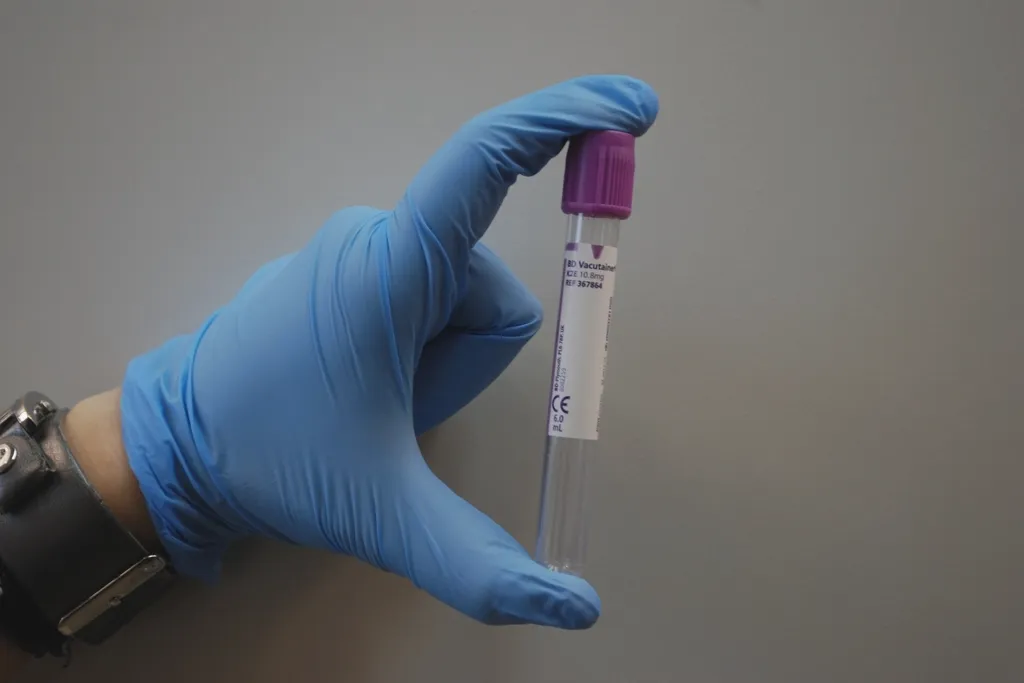
Every autumn the flu returns. Influenza viruses change all the time, so the vaccine is updated every year to match the strains expected to circulate. This year's update is a particularly important one.
What changed this year
Last winter was shaped by a new variant of the A(H3N2) virus, known as "subclade K". It had drifted away from the strain in the vaccine, and in the WHO European Region the season started about four weeks earlier than usual. On 27 February 2026, WHO announced the composition of the 2026–27 vaccine for the northern hemisphere, with updated strains, including a new H3N2 component that matches the viruses now circulating.
Who should be vaccinated first
- People aged 65 and over.
- Pregnant women, at any stage of pregnancy: the vaccine also protects the baby during its first months.
- Children aged 6 months to 5 years.
- People with chronic conditions: heart or lung disease, asthma, diabetes, kidney disease or weakened immunity.
- Health and care workers, and people who live with or look after someone at high risk.
Anyone from the age of 6 months can be vaccinated and benefit.
When to get vaccinated
The best time is October and November, before the flu starts to spread; protection builds up within about two weeks. If you miss that window, getting vaccinated later in the winter is still worthwhile. The injected vaccine contains no live virus and cannot give you the flu. A sore arm or feeling a little tired for a day or two is normal.
Flu or a cold?
Flu usually starts suddenly, with high fever, chills, muscle aches, headache and exhaustion. A cold comes on gradually, with a runny nose and sore throat. Most healthy people recover at home with rest, plenty of fluids and fever medicine. Antibiotics do not work against the flu virus. For people at higher risk, antiviral medicines can help if they are started early, ideally within 48 hours, so call your doctor promptly.
Warning signs: get help urgently
- Shortness of breath or fast breathing.
- Pain or pressure in the chest.
- Confusion or severe drowsiness.
- Fever that comes back after improving, or lasts more than 3–4 days.
- In children: fast breathing, bluish lips, refusing to drink, no urine for many hours, or unusual sleepiness.
In an emergency, call 112. Ask your family doctor at FMRC about this season's flu vaccine. Call 0 422 277 303 or book a visit online.
Sources: WHO recommendations for influenza vaccine composition, 2026–2027 northern hemisphere season (27 February 2026); ECDC threat assessment on A(H3N2) subclade K (November 2025); WHO influenza fact sheet.
Have a health concern? Talk to a specialist.
Most appointments at FMRC are available within 48 hours.
Book Appointment